Entrepreneurship
Entering a New Market as a Startup
Neema Nayak
Apr 4 2024 · 2 min read


Why should you enter a new market?
Entering a new market is a pivotal strategy for startups seeking sustained growth and success. The myriad opportunities it presents, such as reaching untapped customer bases, accessing novel resources, and enhancing exposure, make it a compelling endeavor. Primarily, expanding into a new market opens avenues for increased revenue potential, enabling startups to tap into larger, more established markets with a broader customer base. Another crucial aspect is gaining access to new resources, including diverse forms of capital like venture capital or angel investment, essential for funding the expansion. Lastly, entering a new market offers the opportunity for enhanced brand recognition and visibility. The increased exposure in a larger or more established market can attract attention from media outlets and potential customers, fostering greater awareness of the startup's offerings and, ultimately, driving higher sales and profits.
When should you enter a new market?
Deciding when to enter a new market is a critical juncture for a startup, demanding careful consideration of multiple factors. Firstly, evaluating the strength of the current customer base. A substantial and loyal customer following is essential to support the expansion and ensure that the new venture can attract enough customers to justify the associated costs. Additionally, keen attention must be paid to the prevailing market conditions and industry trends. Financial preparedness is another key consideration; assessing available capital, required financing, and the potential impact on cash flow. The workforce dynamic should not be overlooked, as an expansion may necessitate additional employees, training, and resource allocation. In essence, the decision to enter a new market should be approached with meticulous analysis and foresight to guarantee long-term success and benefit for the business.
How should you enter a new market?
Entering a new market as a startup requires a strategic and comprehensive approach. The initial step involves gaining a profound understanding of the target market through industry research and market analysis. Identifying potential opportunities and risks, understanding customer needs, and assessing competitors. Researching the competitive landscape is crucial to identifying gaps your product or service could fill and understanding pricing structures and customer service expectations. Crafting a unique value proposition that sets your startup apart is essential, and your marketing plan should be tailored accordingly. Testing assumptions through market research, surveys, or focus groups is a critical checkpoint before a full commitment. A solid launch plan, cultural considerations, and adherence to local laws and regulations are pivotal aspects of market entry.
An Example
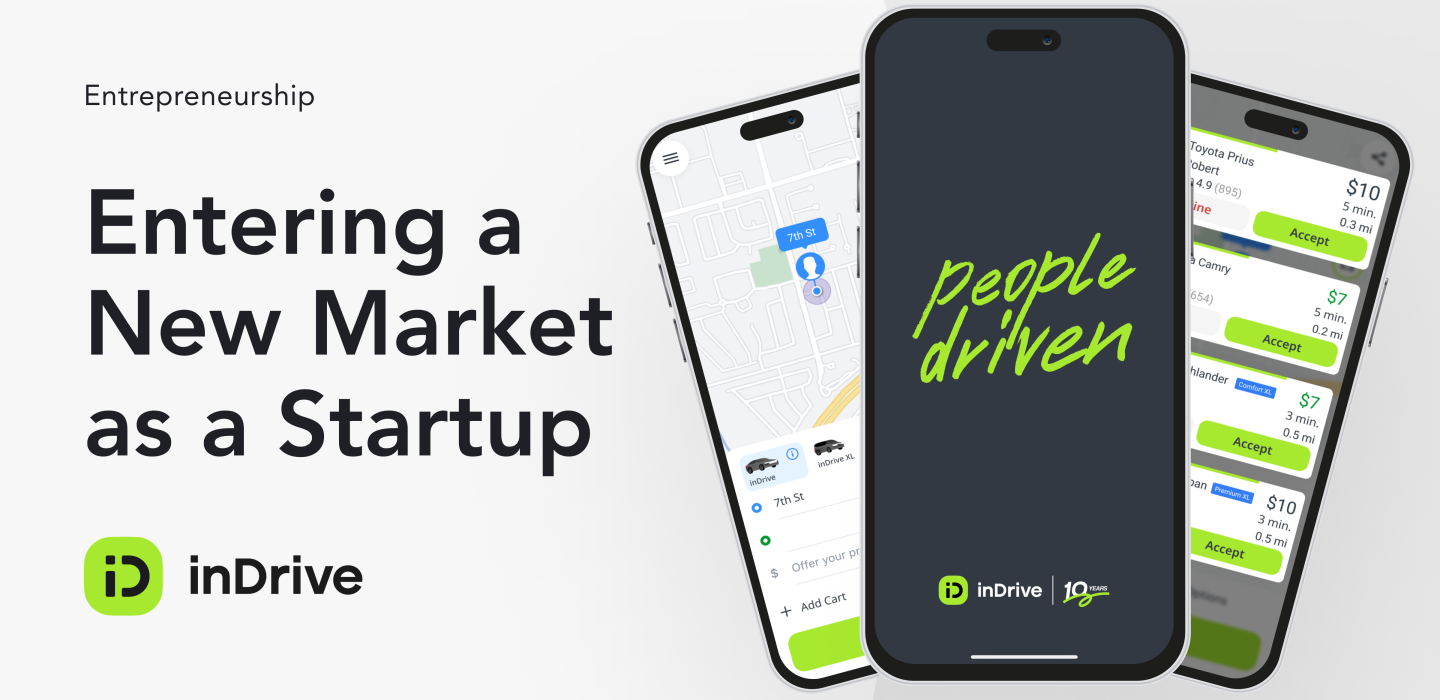
InDrive, a ride-hailing platform founded in 2013, successfully penetrated new markets by strategically differentiating itself from industry giants like Uber and Bolt. With a unique emphasis on ride-negotiating, the company's innovative approach allowed drivers and passengers to agree on the cost of a ride, offering a level of flexibility not found in traditional ride-hailing services. InDrive recognized and filled a gap that Uber and Bolt hadn't addressed. By honing in on this distinctive feature and addressing a specific need within the transportation technology space, InDrive successfully carved out its niche, breaking into new markets and offering a valuable alternative to existing ride-hailing options.