Entrepreneurship
How to Increase Mobile App Functionality
Samantha Hamilton
May 2 2024 · 1 min read


In a competitive tech landscape, keeping your mobile app at the forefront requires ongoing innovation and improvement. Users crave feature-rich experiences that solve their problems efficiently and offer unexpected enjoyment. Follow these five steps to ensure you increase your mobile apps functionality.
Step 1: Know Your Users, Know Their Needs
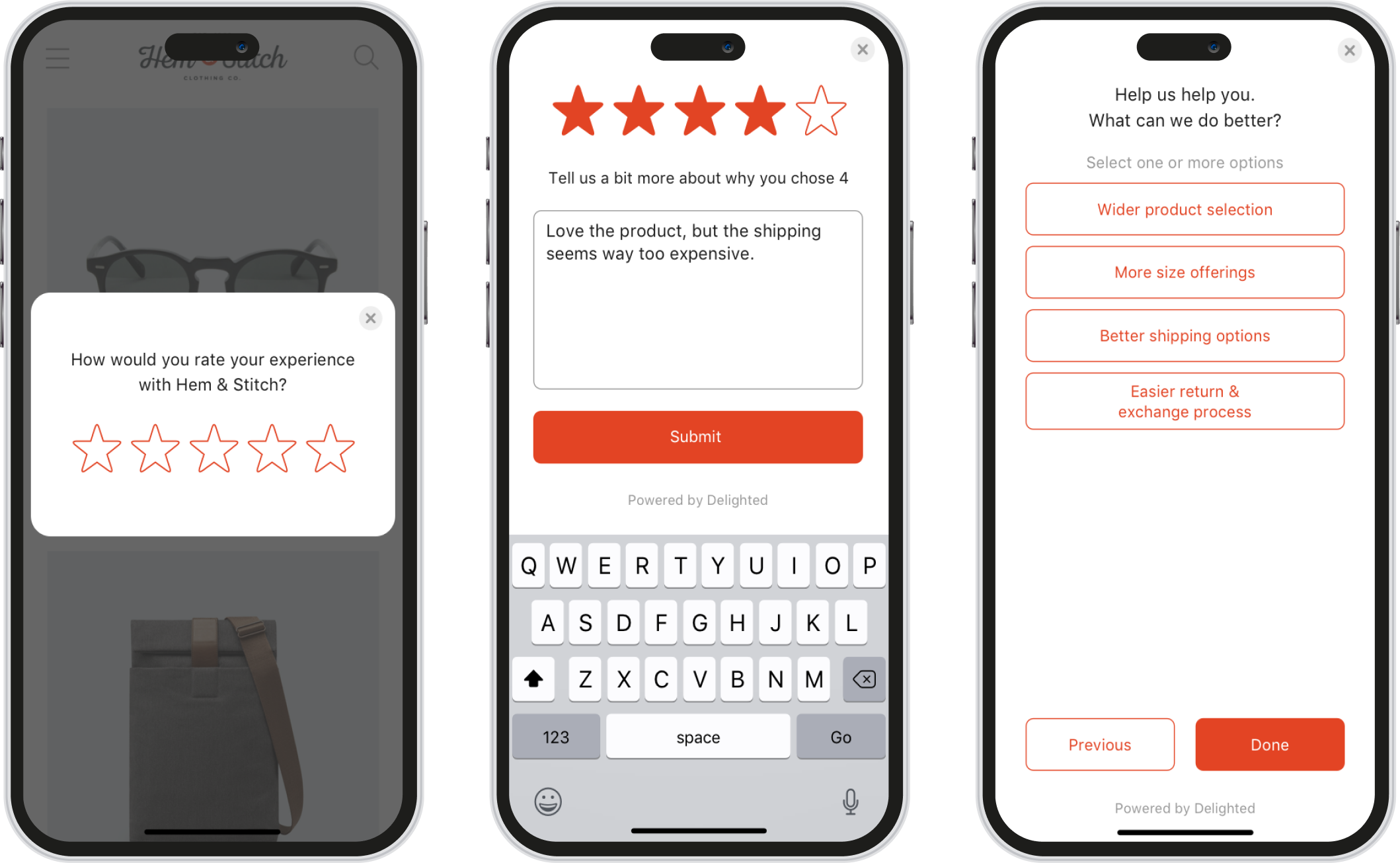
Before adding unnecessary content and features, understand your target audience's pain points and needs. Gather feedback through surveys, in-app polls, and user reviews. Analyze app usage data to identify features that generate high engagement and areas needing improvement. By understanding your users, you ensure any new features and app functions suit and address real needs of your user base.
Step 2: Prioritize with a Strategic Roadmap
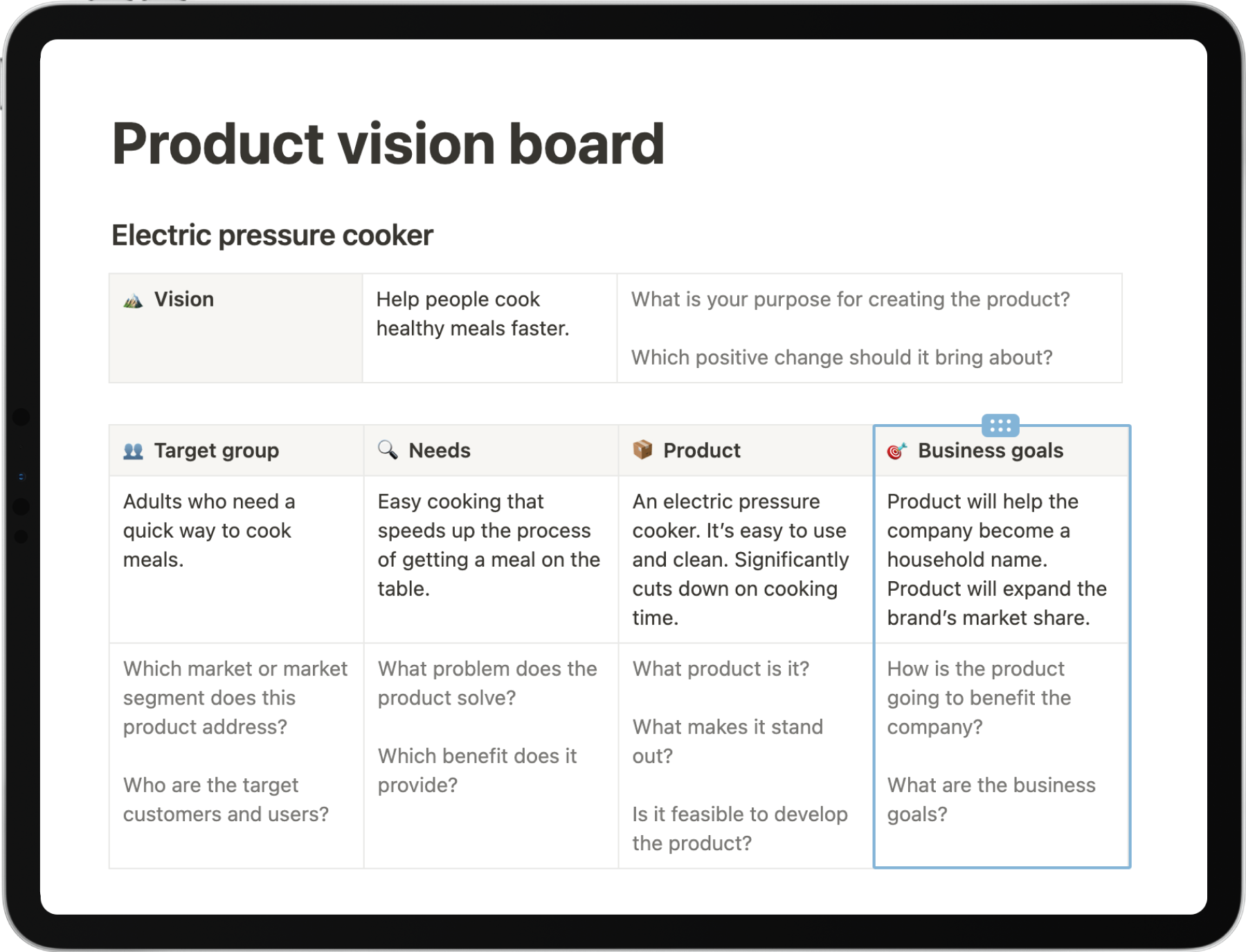
Don't add unnecessary and wild features to your MVP or post MVP without doing your research. Create a roadmap that aligns with your app's overall goals and vision. Prioritize features based on:
User impact: Will it significantly improve the user experience?
Feasibility: Can you develop and implement it within your resources?
Market relevance: Does it address current trends or evolving needs?
Step 3: Integrate Smartly, Don't Clutter
Adding features shouldn't come at the cost of a cluttered interface. Ensure seamless integration and:
Maintain intuitive navigation: Don't hide new features under layers of menus
Offer discoverability: Guide users to new features through onboarding, in-app tutorials, and subtle highlights
Consider progressive disclosure: Introduce complex features gradually as users become more familiar with the app

Step 4: Embrace Emerging Technologies
The tech world is constantly evolving, and your app should too. Explore the potential of:
Machine learning/AI: Personalize experiences, offer predictions, and automate tasks
Voice assistants: Provide hands-free interaction and accessibility

Step 5: Measure, Iterate, and Refine
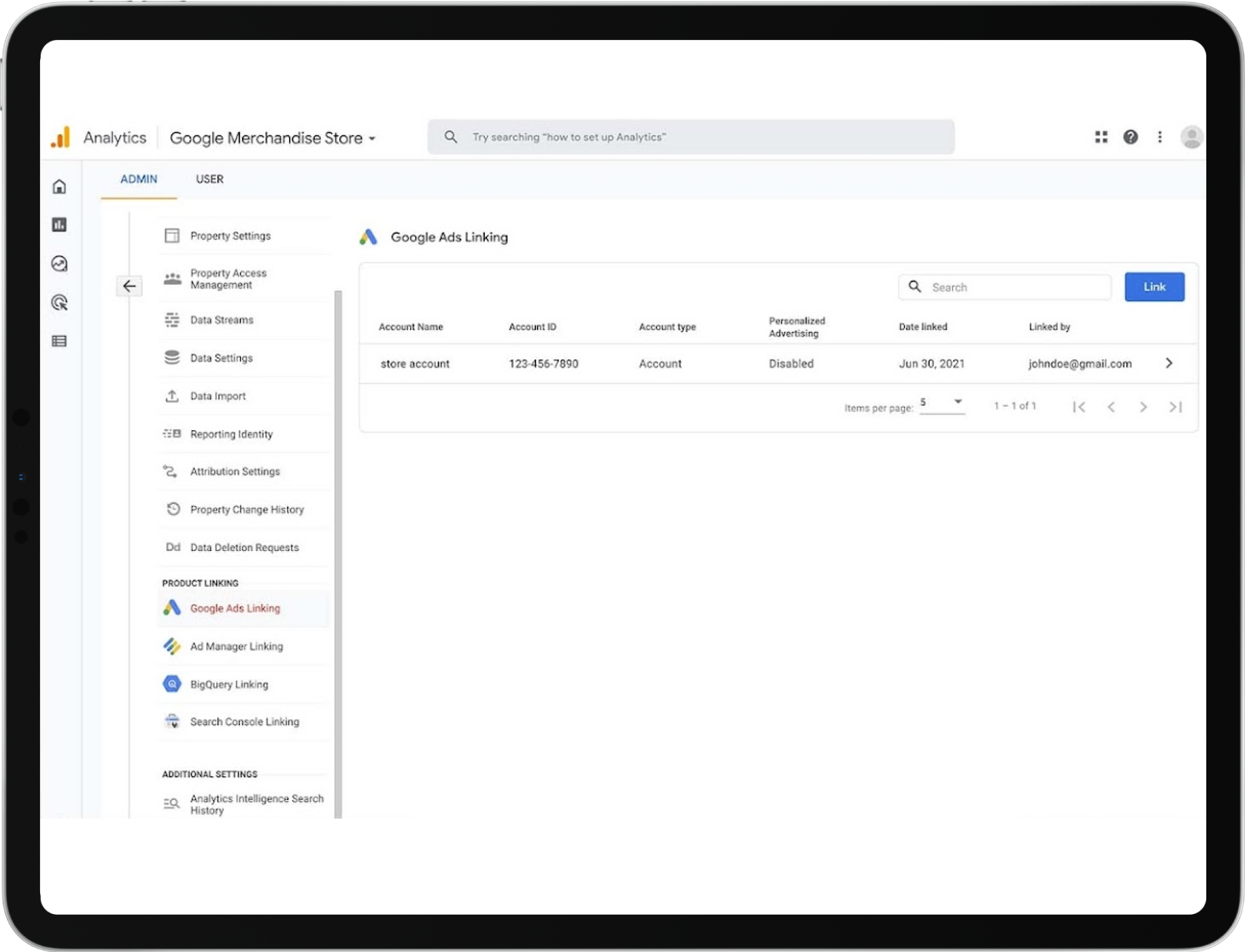
Adding features is just the beginning. Continuously monitor user engagement with the new functionalities. Use analytics tools such as Google Analytics and Semrush to track usage, identify areas for improvement, and iterate based on user feedback.