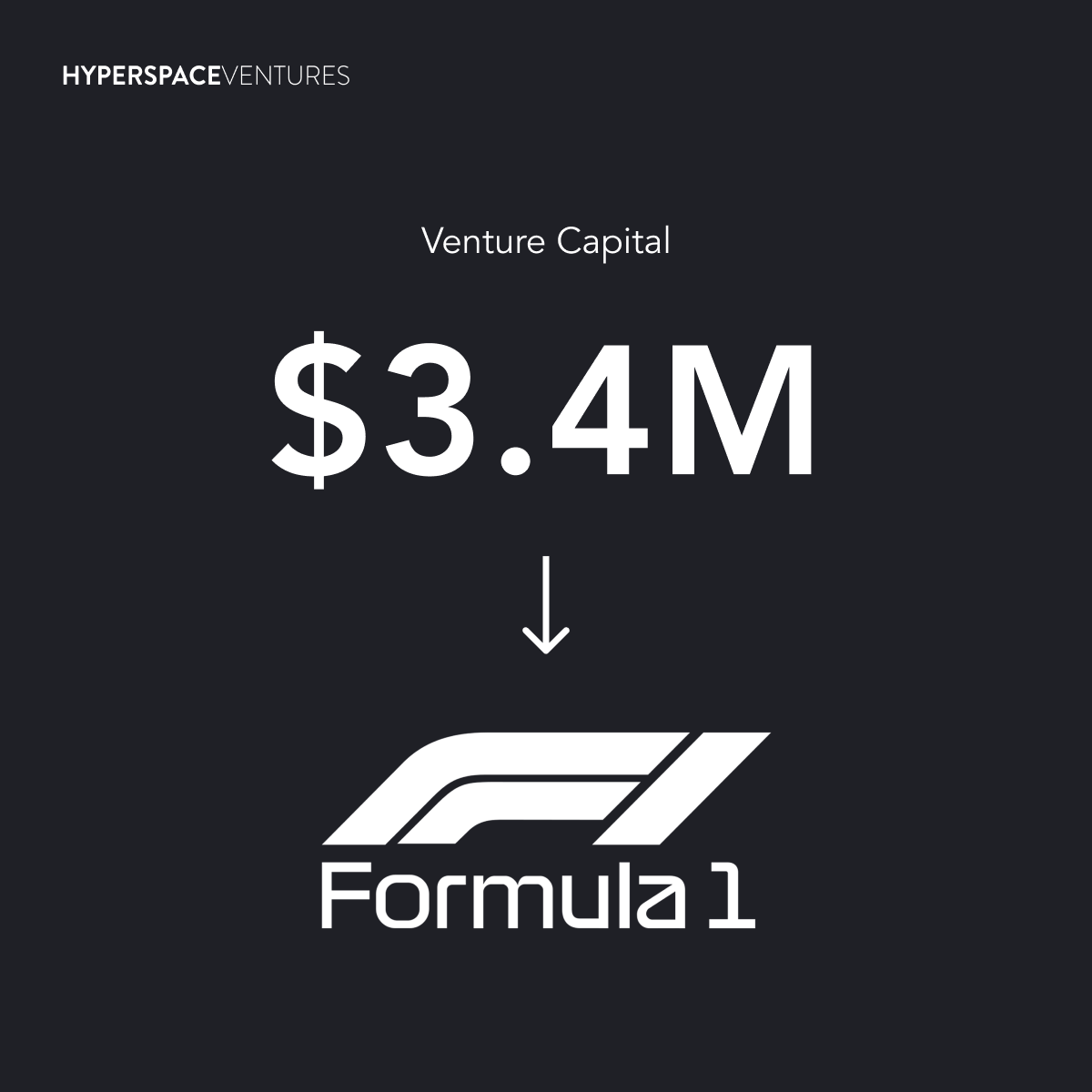
Venture Capital
Venture Capital Trends in 2026: Record Growth, AI Dominance, and Expanding Opportunities for Startups
Jeremiah Tsung
May 15 2026 · 3 min read


Venture capital entered 2026 with significant momentum, reflecting renewed investor confidence and the continued evolution of private markets as a primary venue for innovation financing. In Q1 2026, global VC investment reached $330.9 billion across more than 8,400 deals, more than doubling quarter-over-quarter and approaching historic highs. This surge signals a market that remains highly active and accessible to startups with compelling value propositions.
1. Broad-Based Activity Beneath Mega-Deals
A defining feature of the quarter was the scale of capital deployment. While headline figures were influenced by several exceptionally large transactions, underlying activity remained robust. Even excluding the largest deals, funding levels trended upward, supported by improving sentiment entering the year and expectations of a stronger IPO environment. Early-stage investment showed resilience, with steady deal flow and continued participation from leading venture firms, indicating that founders at early stages still have meaningful access to capital.
2. Capital Concentration and Competitive Dynamics
Venture capital is increasingly characterized by concentration at the top end of the market. A small number of companies captured a substantial share of total funding, particularly in artificial intelligence. In the United States, four deals above $10 billion reshaped quarterly totals, while the five largest global deals accounted for a significant share of invested capital. This concentration has pushed deal sizes and valuations higher, creating a competitive environment where top-tier startups can raise capital at significant scale.
3. Artificial Intelligence as the Core Investment Theme
Artificial intelligence remains the central driver of venture activity. Investment has expanded beyond foundational models into infrastructure, vertical applications, and adjacent sectors such as robotics and autonomous systems. This breadth has widened the pool of investable companies and created multiple pathways for startups to secure funding, reinforcing AI’s role as the defining theme of the current cycle.
4. Liquidity Constraints and Exit Environment
Despite strong deal activity, liquidity conditions remain a constraint. Exit markets showed early signs of recovery but were disrupted by geopolitical volatility, particularly affecting IPO activity. However, large-scale M&A transactions and a robust pipeline of potential public offerings indicate that viable exit pathways remain in place over the medium term.
5. Fundraising Strength and Capital Availability
Fundraising trends further support a positive outlook. Large funds have raised capital at an accelerated pace, with $1 billion-plus vehicles accounting for a growing share of commitments. This reflects investor confidence in established managers and ensures substantial dry powder remains available. For startups, this translates into continued access to well-capitalized investors capable of supporting growth across stages.
6. The Rise of Sports Tech in Venture Capital
Sports tech has emerged as a meaningful growth area within venture capital, with total transaction value reaching roughly $200 billion in 2025 across more than 1,000 deals. Growth has been driven primarily by larger deal sizes, signaling stronger investor conviction. Institutional capital has followed, with the launch of multi-billion-dollar sports-focused funds. Investment has concentrated in areas such as youth sports infrastructure, analytics, media, and fan engagement, positioning sports tech as an increasingly attractive, technology-driven segment of the market. Hyperspace Ventures has strategically positioned ourselves as leaders in the sports tech space, with portfolio companies including Teamworks, Pickleball.com, DUPR, and TopCourt.
Conclusion
Overall, Q1 2026 presents a venture capital market that is both dynamic and constructive. While capital allocation is increasingly selective, the overall availability of funding remains strong, particularly for startups that demonstrate technological differentiation and clear market positioning. The combination of large-scale investment, active early-stage participation, and expanding sectoral opportunities positions venture capital as a resilient and accessible source of growth financing.
Q&A: Key Takeaways on VC in Q1 2026
Q: Is venture capital still accessible to early-stage startups?
Yes. Despite concentration in large deals, early-stage funding remains steady, with consistent deal flow and active participation from major venture firms.
Q: What is driving the surge in VC investment?
Artificial intelligence is the primary driver, alongside strong investor sentiment and expectations of improved exit conditions.
Q: What challenges does the VC market face?
Liquidity constraints and geopolitical uncertainty have slowed IPO activity, creating short-term pressure on exits.
Q: Which sectors are gaining traction beyond AI?
Sports tech is emerging as a notable growth area, alongside defense tech, space tech, and AI-adjacent industries.